
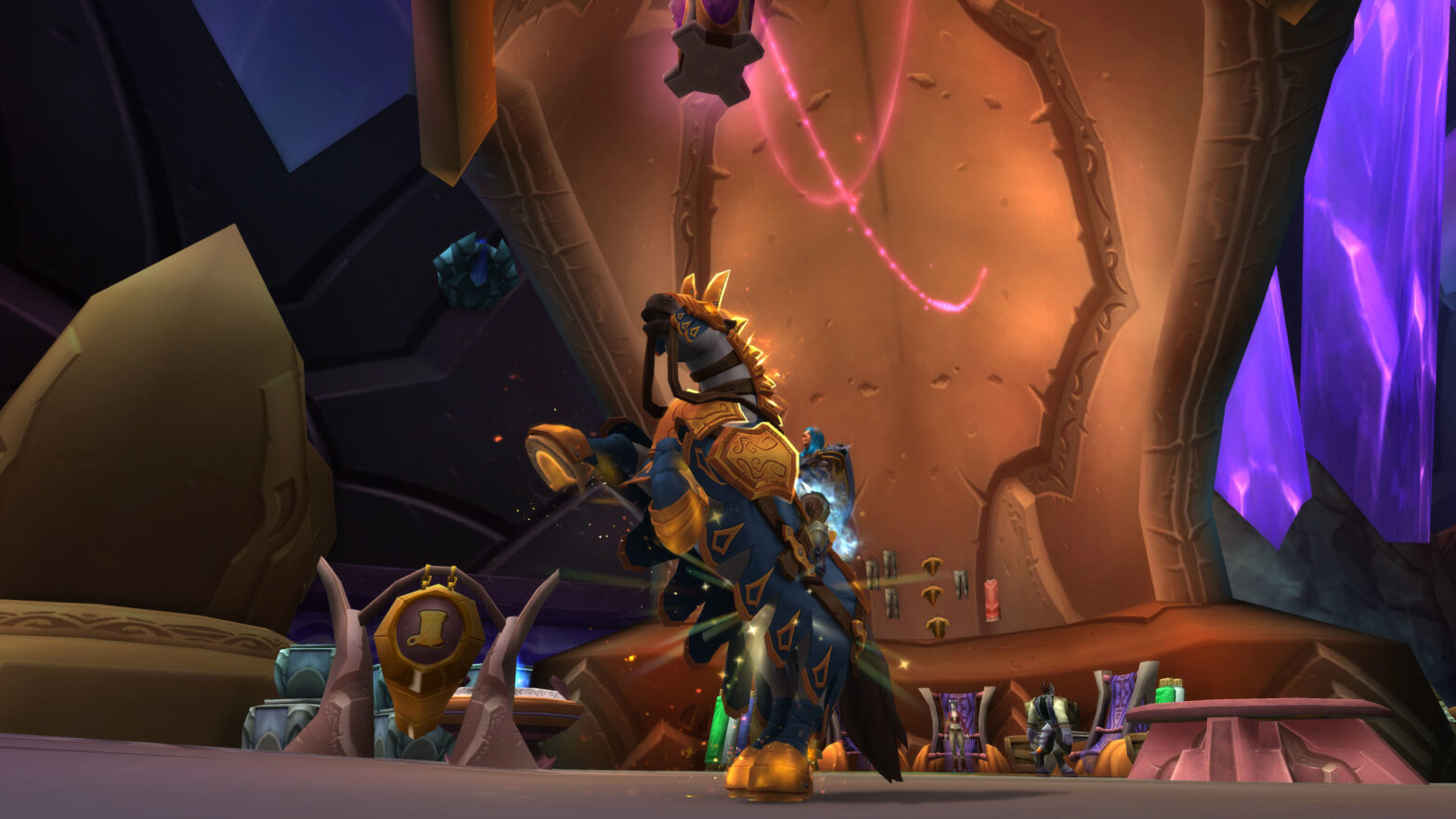
The role of the Tank is often misunderstood as a “Health-Bar Sponge,” leading to Defensive Inconsistency and healer panic. This is the Passive Mitigation Trap. In modern WoW, a Tank is a Damage-Smoothing Specialist. Survival is not about having the most health, but about Active Mitigation Management. “The Tank Survival Guide” is the discipline of Buff-Uptime and Cooldown Layering, ensuring that “Spiky” damage is flattened into a manageable stream that your healer can easily sustain.
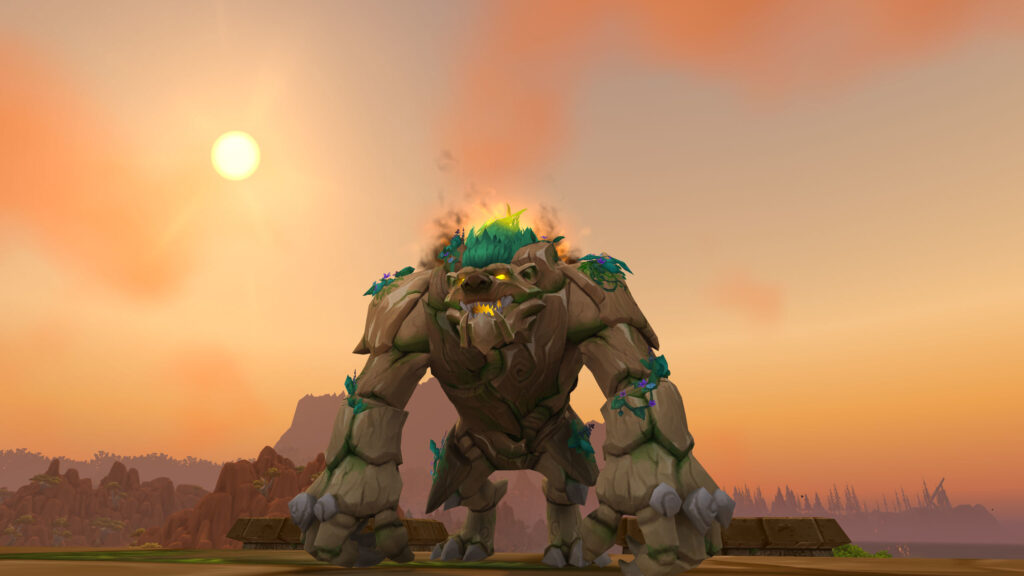
The “First 3 Seconds” Vulnerability
Most Tanks die or take critical damage in the first three seconds of a pull. This is Engagement Shock—the moment before your active mitigation is fully active. A master tank practices Pre-Contact Preparation. They use a “Minor Defensive” or a “Shield” *before* they enter melee range. By arriving at the pack with Active Mitigation already running, you prevent the initial “Spike” that forces healers to burn their big cooldowns prematurely. Start Strong to Stay Strong.
The Pillars of Smoothing (The Mitigation Layers)
- 1. The “100% Uptime” Requirement:
- What: Your class’s core defensive (e.g., Shield Block, Ignore Pain, Ironfur, Shield of the Righteous).
- Why it matters: This is your Survival Floor. Dropping your core mitigation for even two seconds can result in a “One-Shot” from a regular mob. You must treat this as a Rotational Priority higher than your damage output.
- 2. Defensive “Layering” (Stacking vs. Spacing):
- What: Knowing when to use one big defensive versus two small ones.
- Why it matters: This is Efficiency Optimization. Do not “Over-Mitigate” by stacking three defensives on a single hit. Instead, Space them out to cover the entire duration of a dangerous pull. You want to be “Tough” for 60 seconds, not “Invulnerable” for 10.
- 3. Self-Healing and “Death Strike” Timing:
- What: Using your reactive heals (e.g., Word of Glory, Death Strike, Frenzied Regeneration) *after* taking a hit.
- Why it matters: This is Reactive Recovery. To maximize value, you must wait for the “Damage Window.” Using a self-heal while at 100% health is Resource Wastage. Learn the rhythm of your health bar to become Self-Sustaining.
- 4. Kiting as a Defensive Cooldown:
- What: Moving away from mobs when you have no defensives left.
- Why it matters: This is Tactical Retreat. If your “Shield Block” is down and the mobs are “Enraged,” Stop Standing There. Using a stun or slow and walking away for 5 seconds is a “100% Damage Reduction” cooldown that costs nothing.
Utilizing “Plater” for Threat and Cast Awareness
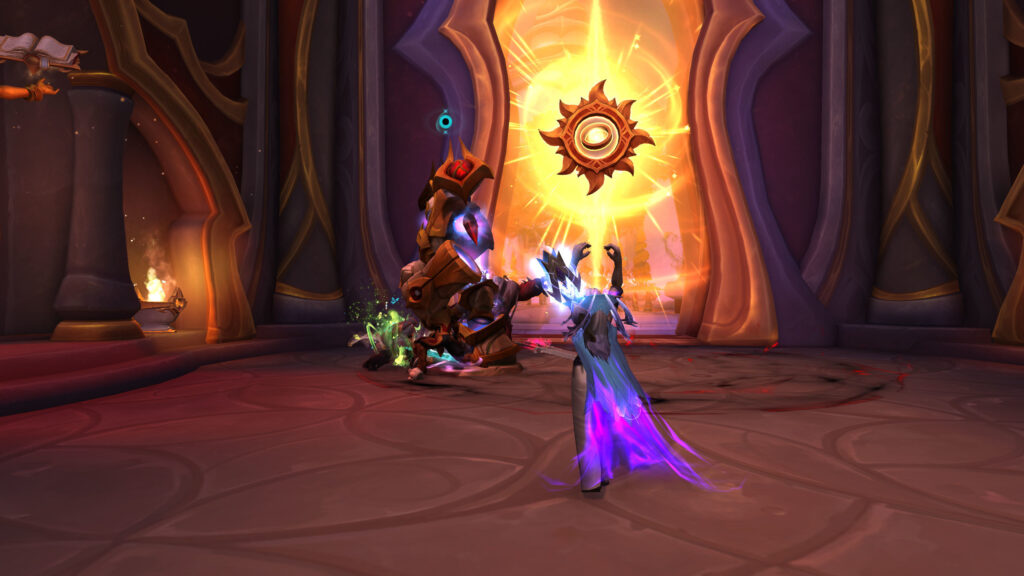
Elite tanks utilize Visual Threat Management. By configuring your nameplates to change color when you lose threat or when a mob is casting a “Tank Buster,” you gain Situational Dominance. Seeing a “Tank Buster” cast bar allows you to Pre-Cast a Major Defensive, ensuring the hit lands on your “Wall” rather than your “Face.” Information is the best defensive stat in the game.
The “Healer Trust” Metric
To survive spiky pulls, you must monitor your Healer’s Mana and Position. If your healer is running to catch up or is at 5% mana, your “Standard Pull” becomes a “Lethal Pull.” A master tank practices Logistical Awareness. By checking the group’s status before every pull, you adjust your Mitigation Aggression to match the group’s current capacity. You aren’t just tanking the mobs; you are tanking the Group’s Limitations.
Conclusion: The Steady Anchor

Tanking is the art of being predictable. By adopting the Damage-Smoothing mindset, you transform from a “Spiky Liability” into a Steady Anchor. You realize that your value is measured by the Stability of Your Health Bar, not the speed of your pulls. Layer your defensives, prepare for contact, and communicate with your healer. You will find that even the largest pulls in Khaz Algar become Controlled Tactical Exercises under your command.